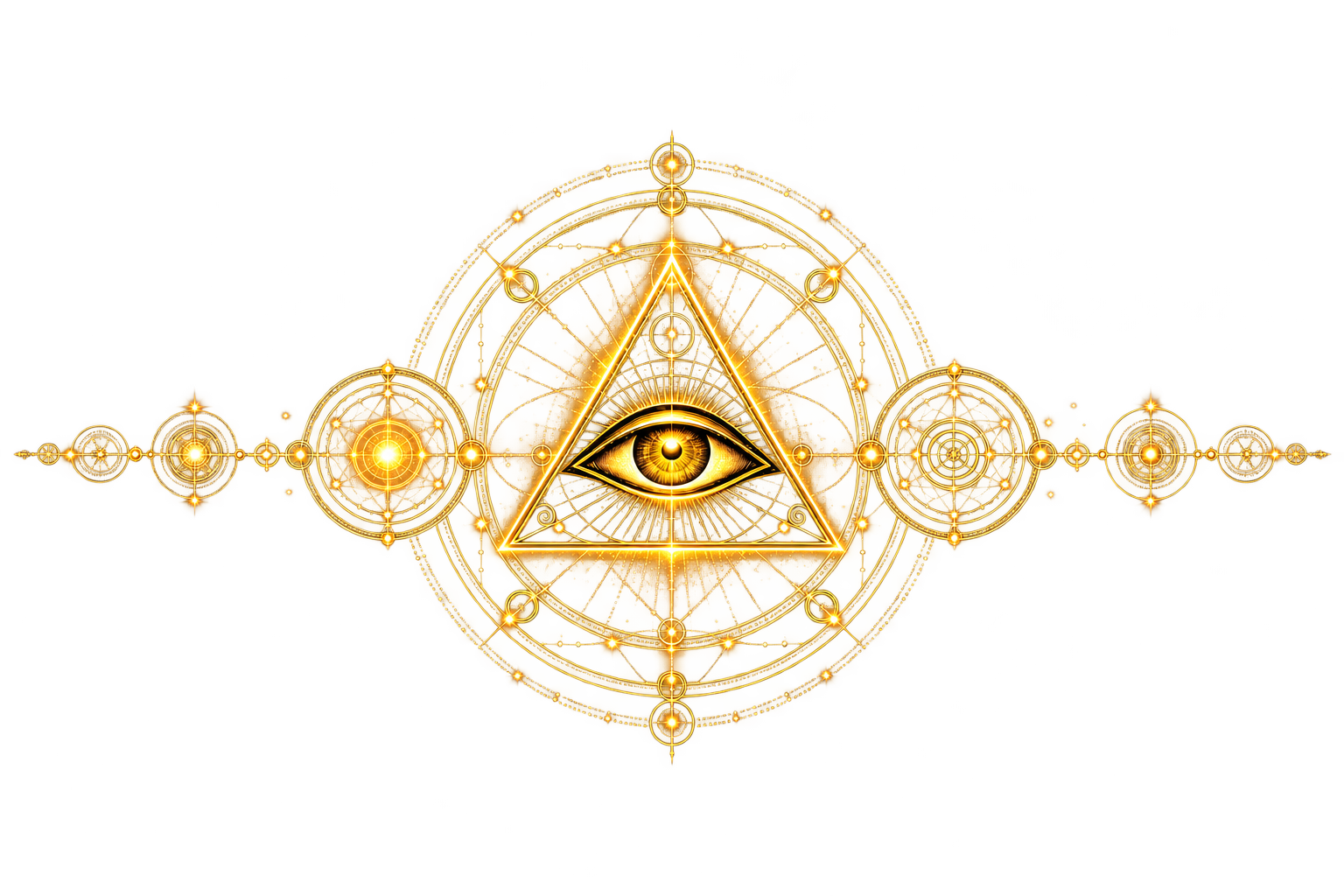
Is the Illuminati Real? Full Truth, History, Myths, and Facts Explained
Introduction: Why Millions Search “Is the Illuminati Real?”
The question “Is the Illuminati real?” has become one of the most searched conspiracy-related topics on the internet. Every month, millions of people search Google, YouTube, TikTok, and social media platforms trying to discover the truth about the Illuminati.
Some people believe the Illuminati is a secret organization controlling world governments, celebrities, wealth, banks, and global events. Others believe it is simply a myth created through internet conspiracy theories and entertainment culture.
The popularity of Illuminati theories has grown because of viral videos, celebrity rumors, symbolic interpretations, and social media discussions. Terms like “Illuminati symbols,” “Illuminati celebrities,” “Illuminati signs,” and “secret societies” frequently trend online.
But what is the real truth?
This article explains the complete history of the Illuminati, how the conspiracy theories started, why people believe them, and what historians actually know.
What Is the Illuminati?
The Illuminati was originally a real historical organization founded in 1776 in Bavaria (modern-day Germany) during the Enlightenment period.
The founder was:
Adam Weishaupt
The organization was officially called the Bavarian Illuminati.
Why Was the Illuminati Created?
The original Bavarian Illuminati was formed during a time when Europe was experiencing major intellectual and political change.
The organization focused on:
- Promoting reason and science
- Encouraging freedom of thought
- Opposing superstition and corruption
- Supporting education and Enlightenment ideals
- Challenging abuses of political and religious power
The group was not originally connected to celebrity culture, world domination, or supernatural theories.
Was the Illuminati a Secret Society?
Yes, the Bavarian Illuminati operated as a secret society.
Like many intellectual groups of the 1700s, it used:
- Private meetings
- Secret codes
- Membership rankings
- Hidden identities
- Confidential communication
Secrecy helped members discuss controversial ideas without government punishment.
However, being secretive does not automatically mean the group controlled the world.
How Long Did the Bavarian Illuminati Exist?
The original Illuminati existed for only a short period.
Historical Timeline
- Founded in 1776
- Expanded in Bavaria and nearby regions
- Investigated by authorities
- Officially banned in the 1780s
- Eventually dissolved
Historians generally agree that the organization ended in the late 18th century.
Does the Illuminati Still Exist Today?
This is the biggest question in modern conspiracy culture.
Historical View
Most historians agree:
- The original Bavarian Illuminati no longer exists
- No verified continuation has been proven
- No credible evidence supports claims of a modern world-controlling Illuminati
Internet Conspiracy View
Online conspiracy theories claim the Illuminati secretly controls:
- Governments
- Banks and financial systems
- Music and entertainment industries
- Celebrities and influencers
- Global political events
- Wealth and economic systems
However, these claims are not supported by reliable evidence.
Why Do People Believe the Illuminati Is Real?
There are several reasons why Illuminati theories continue to spread online.
1. Human Curiosity About Secret Power
People are naturally fascinated by hidden organizations and mysterious groups.
Secret societies create curiosity because they appear exclusive and powerful.
2. Pattern Recognition
The human brain looks for patterns and connections between unrelated events.
People sometimes interpret:
- Symbols
- Gestures
- Music videos
- Architecture
- Celebrity behavior
as “proof” of hidden organizations.
3. Social Media and Viral Videos
TikTok, YouTube, Instagram, and Facebook help conspiracy theories spread rapidly.
Viral content often includes:
- “Illuminati signs”
- Celebrity symbolism
- Secret messages
- Hidden meanings in music videos
- Pyramid and eye imagery
These videos are designed for entertainment and engagement.
4. Entertainment Industry Influence
Movies, TV shows, and music often use mysterious symbols and themes.
This includes:
- Pyramids
- Eyes
- Masks
- Ceremonial imagery
- Secret society storytelling
These visual themes are artistic choices, not evidence of real conspiracies.
5. Desire for Simple Explanations
Complex world events can feel confusing.
Conspiracy theories sometimes offer simple explanations by blaming hidden groups for difficult problems.
Common Illuminati Symbols Explained
Many Illuminati theories focus on symbols.
The All-Seeing Eye
The eye symbol appears in:
- Art
- Religion
- Architecture
- Currency design
It is often incorrectly interpreted as proof of Illuminati activity.
The Pyramid
The pyramid is commonly associated with hierarchy, structure, or ancient civilization imagery.
Conspiracy theories often treat it as evidence of secret control systems.
Hand Signs and Gestures
Celebrity photos and performances are sometimes analyzed for “hidden signals.”
Most of these interpretations are speculative and unsupported.
Geometric Shapes
Triangles and geometric designs are common in modern art, branding, and stage design.
They are not proof of secret organizations.
Are Celebrities in the Illuminati?
Many online theories claim that famous musicians, actors, and influencers are part of the Illuminati.
These theories usually focus on:
- Music videos
- Fashion symbolism
- Stage performances
- Wealth and fame
- Hand gestures
However, there is no verified evidence connecting celebrities to a real Illuminati organization.
Celebrity conspiracy theories are largely driven by internet speculation and entertainment culture.
Is the Illuminati Connected to Religion?
The historical Illuminati was not a religion or church.
It was an Enlightenment-era intellectual society focused on philosophy and reform.
Modern conspiracy theories sometimes incorrectly associate the Illuminati with:
- Supernatural ideas
- Religious prophecy
- Ritual practices
- Apocalyptic stories
There is no historical evidence supporting these claims.
What Historians Say About the Illuminati
Academic historians generally agree on the following facts:
- The Bavarian Illuminati was real historically
- It existed only briefly in the late 1700s
- It was a relatively small intellectual society
- It was dissolved by authorities
- No verified modern continuation exists
Most modern Illuminati stories are considered conspiracy mythology rather than historical reality.
Why the Illuminati Remains Popular Online
The Illuminati continues trending because it combines:
- Mystery
- Power
- Celebrity culture
- Secret symbolism
- Internet storytelling
- Viral media content
The topic attracts attention because it mixes history with speculation and entertainment.
You can naturally include these keywords:
- is the illuminati real
- illuminati truth explained
- what is illuminati
- illuminati conspiracy theory
- does illuminati exist today
- illuminati symbols meaning
- bavarian illuminati history
- illuminati facts vs myths
- secret society illuminati explained
- illuminati celebrities theory
Frequently Asked Questions (FAQ)
Is the Illuminati real?
The historical Bavarian Illuminati was real, but there is no verified evidence of a modern secret world-controlling organization.
Who founded the Illuminati?
The Bavarian Illuminati was founded by Adam Weishaupt in 1776.
Does the Illuminati still exist?
No confirmed evidence shows that it still exists today.
Are celebrities connected to the Illuminati?
There is no credible proof supporting those claims.
Why do people believe Illuminati theories?
Because of symbolism, mystery, social media influence, and entertainment culture.
Conclusion
So, is the Illuminati real? Historically, yes — the Bavarian Illuminati was a real secret intellectual society founded in Germany in 1776. However, there is no verified evidence that it survived into modern times or secretly controls governments, celebrities, banks, or world events today.
Most modern ideas about the Illuminati come from internet conspiracy theories, entertainment media, symbolism, and viral storytelling rather than factual historical evidence.
Understanding the difference between real history and online mythology helps separate fact from fiction in the digital age.